
Posts tagged "ILMS"

How to track personal growth in 2026: 25 essential KPIs to stop guessing and start growing

February 4th, 2026 Posted by KPIs 0 thoughts on “How to track personal growth in 2026: 25 essential KPIs to stop guessing and start growing”
Have you also felt it? The nagging sense that being busy is not the same as being successful. As we move into 2026, the old metrics of long hours and ceremonial accolades are being replaced by something more meaningful. The search for meaning begins with discovering your priorities, whether for yourself or at work. Reflections and touchstones can guide how those insights take shape.

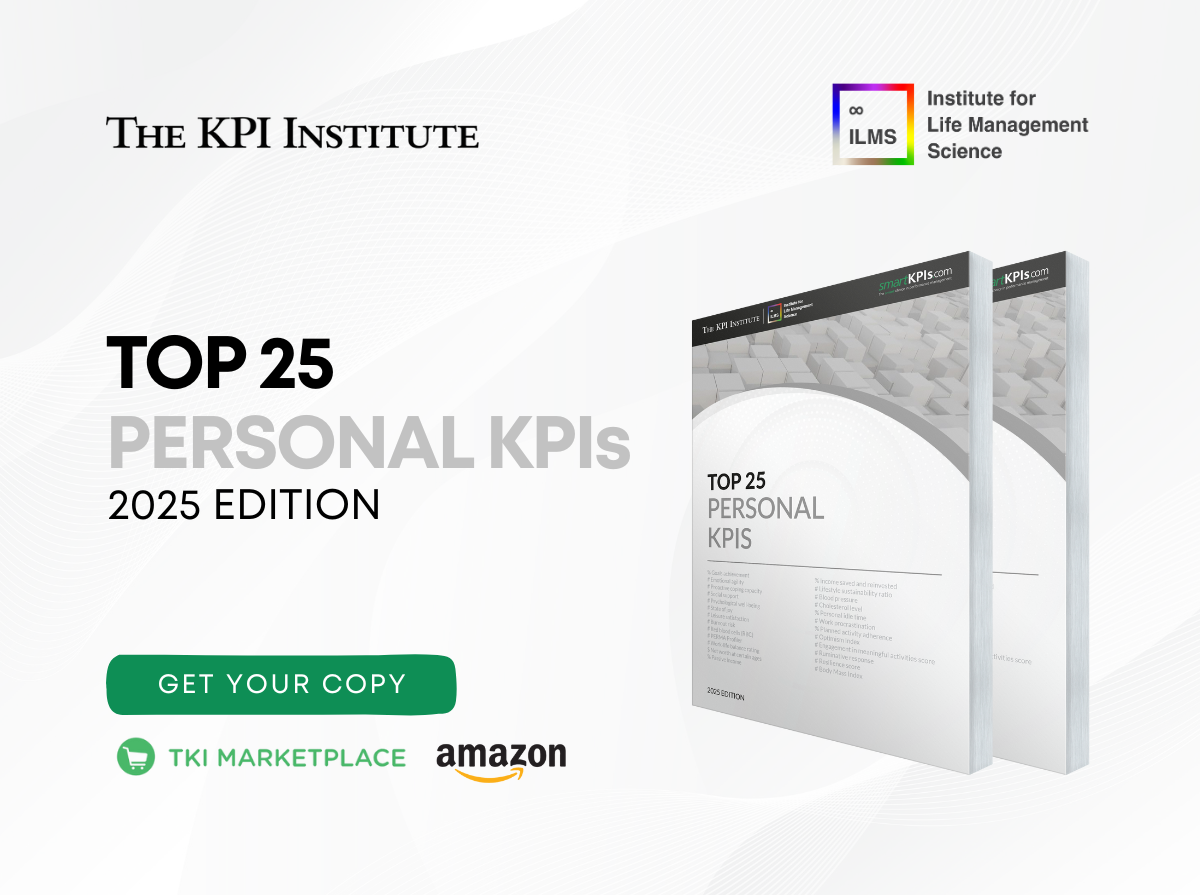
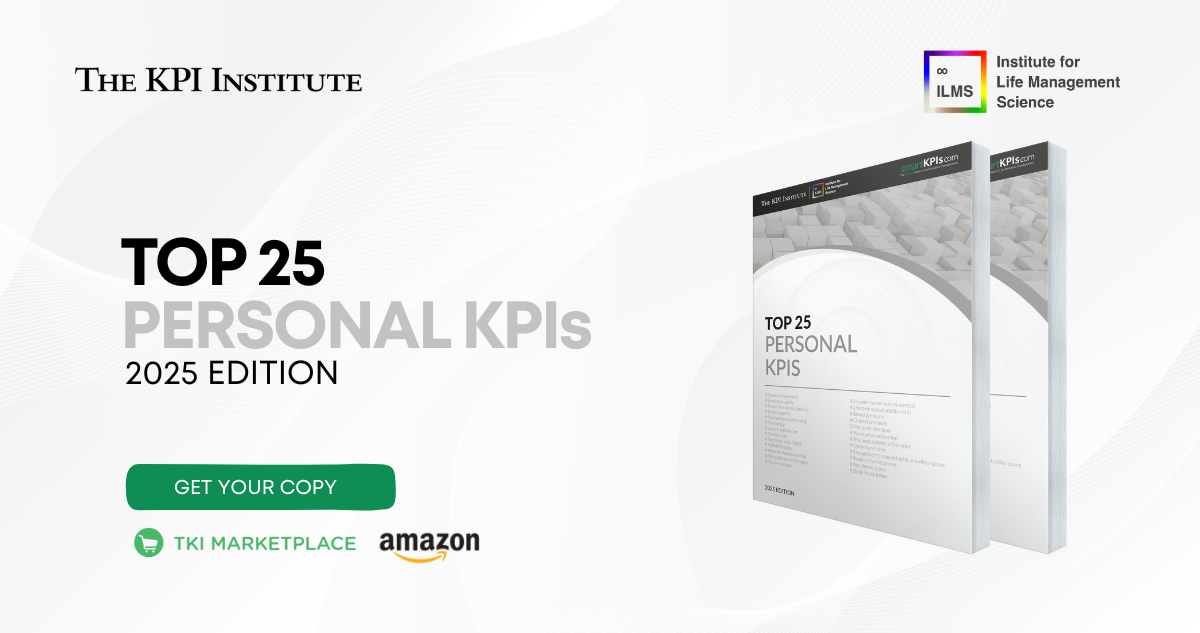
To help organizations and professionals navigate this, The KPI Institute and the Institute for Life Management Science have teamed up to release the Top 25 Personal KPIs – 2025 Edition. It is a research-backed blueprint for self-mastery in 2026. This updated report moves beyond traditional productivity to offer a holistic framework of 25 essential metrics, including enhanced templates and expert insights on AI-native workflows and mental resilience. 

At the core of this framework is the concept of personal performance—the progress a person makes toward their own goals. It shows how well someone manages their time, energy, and money to reach the outcomes they want. Unlike organizational performance, which follows standardized goals and external benchmarks, personal performance is shaped by individual values and priorities. It covers different areas of life, including health and well-being, daily productivity and habits, relationships, learning and career development, and financial stability.

Translating progress across these areas requires clear measurement. A key performance indicator (KPI) is a measurable way to track progress toward a personal goal, turning intentions into actionable metrics that support better decisions and continuous growth. Personal KPIs can be monitored using tools ranging from digital apps and habit trackers to spreadsheets, journals, and goal-planning platforms.

To bridge this gap, the 2025 edition highlights 25 critical metrics, organized across six key categories essential for gaining a competitive edge in both life and work:

  1. Personal Productivity – measures how effectively individuals organize their time, energy, and activities to accomplish both personal and professional objectives. Examples include:
  • % Goals achievement
  • % Personal idle time 
  • # Work procrastination.

2. Personal Resilience – evaluates an individual’s ability to manage adversity, adapt to change, and sustain mental and emotional well-being during periods of stress, such as:

  •  #Emotional agility
  • # Proactive coping capacity
  • # Social support

3. Well-being – centers on overall physical, mental, and emotional health, incorporating practices that both prevent burnout and support recovery. It includes indicators like:

  • # Psychological well-being
  • # Burnout risk 
  • # Work-life balance rating

4. Happiness – reflects perceived life satisfaction, emotional balance, and overall subjective well-being. Examples include: 

  • # State of joy
  • # Leisure satisfaction 
  • # Optimism index 

5. Longevity – tracks lifestyle and health-related behaviors that support a longer, healthier life, including nutrition, sleep quality, and physical activity. Some of the indicators that can be used to track Longevity are:

  • # Red blood cells (RBC) 
  • # Cholesterol level

6. Affluence – assesses financial security and stability through measures such as savings habits, diversified income streams, and long-term investment growth, which can be measured through, but not limited to:

  • $ Net worth at certain ages
  • % Passive income 
  • #Lifestyle sustainability ratio

Recognizing these dimensions is only the starting point. The six categories above provide a comprehensive framework, but knowing how to track and apply these metrics is what turns insight into action. By measuring your progress, you gain clarity on what’s working, what needs adjustment, and how to align daily habits with your bigger goals.

By using the Top 25 Personal KPIs – 2025 Edition, you’re not just tracking data—you are understanding your own rhythm. In 2026, the most successful people won’t have the longest to-do lists, but the clearest insight into their progress.

Discover the top five most-used and popular Personal KPIs and learn how to apply all 25 metrics in your life by downloading the Top 25 Personal KPIs – 2025 Edition, available both on the TKI Marketplace and Amazon.
GCCIA, The KPI Institute launch strategy and performance community of practice

June 6th, 2025 Posted by Events 0 thoughts on “GCCIA, The KPI Institute launch strategy and performance community of practice”

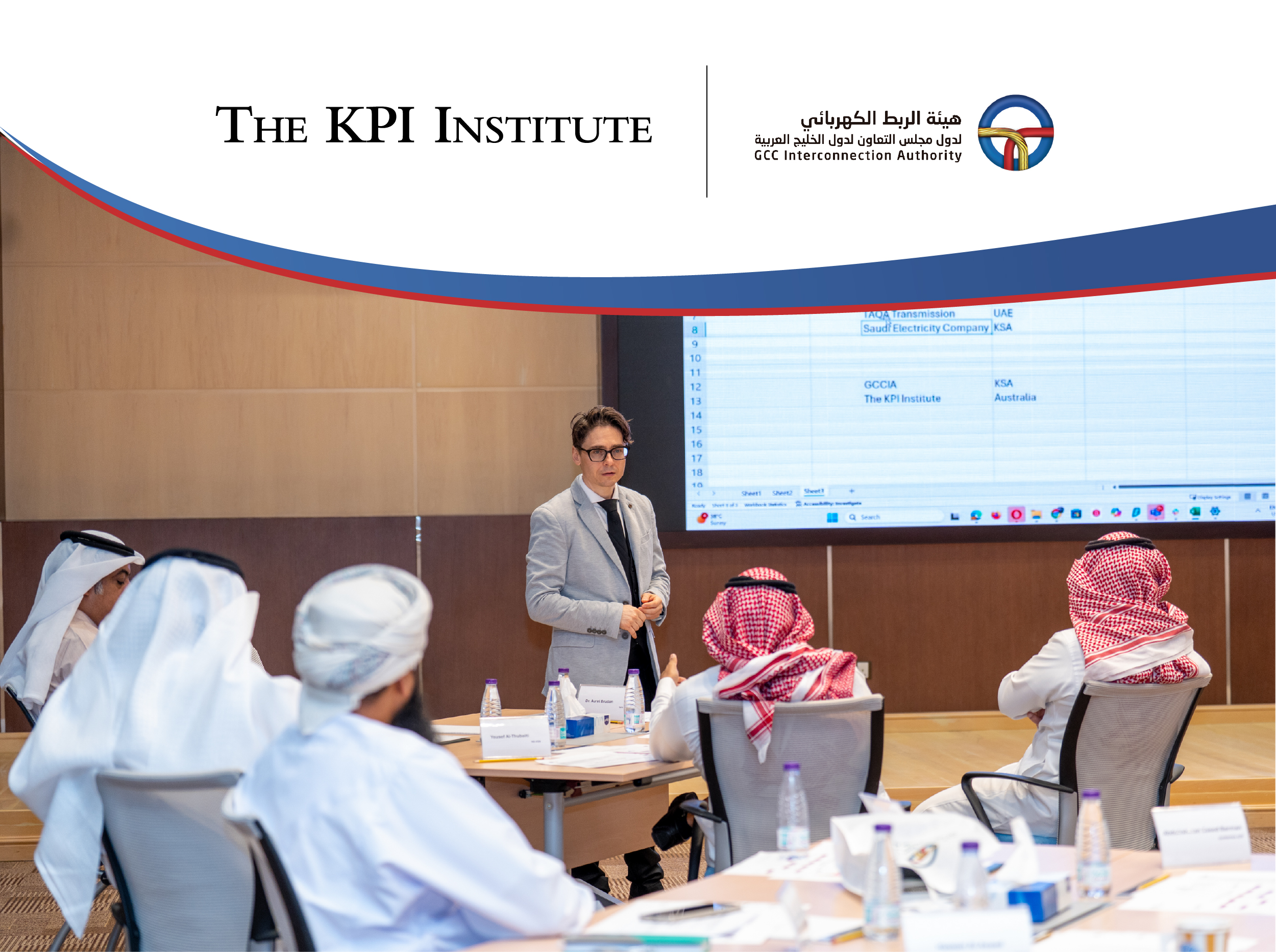
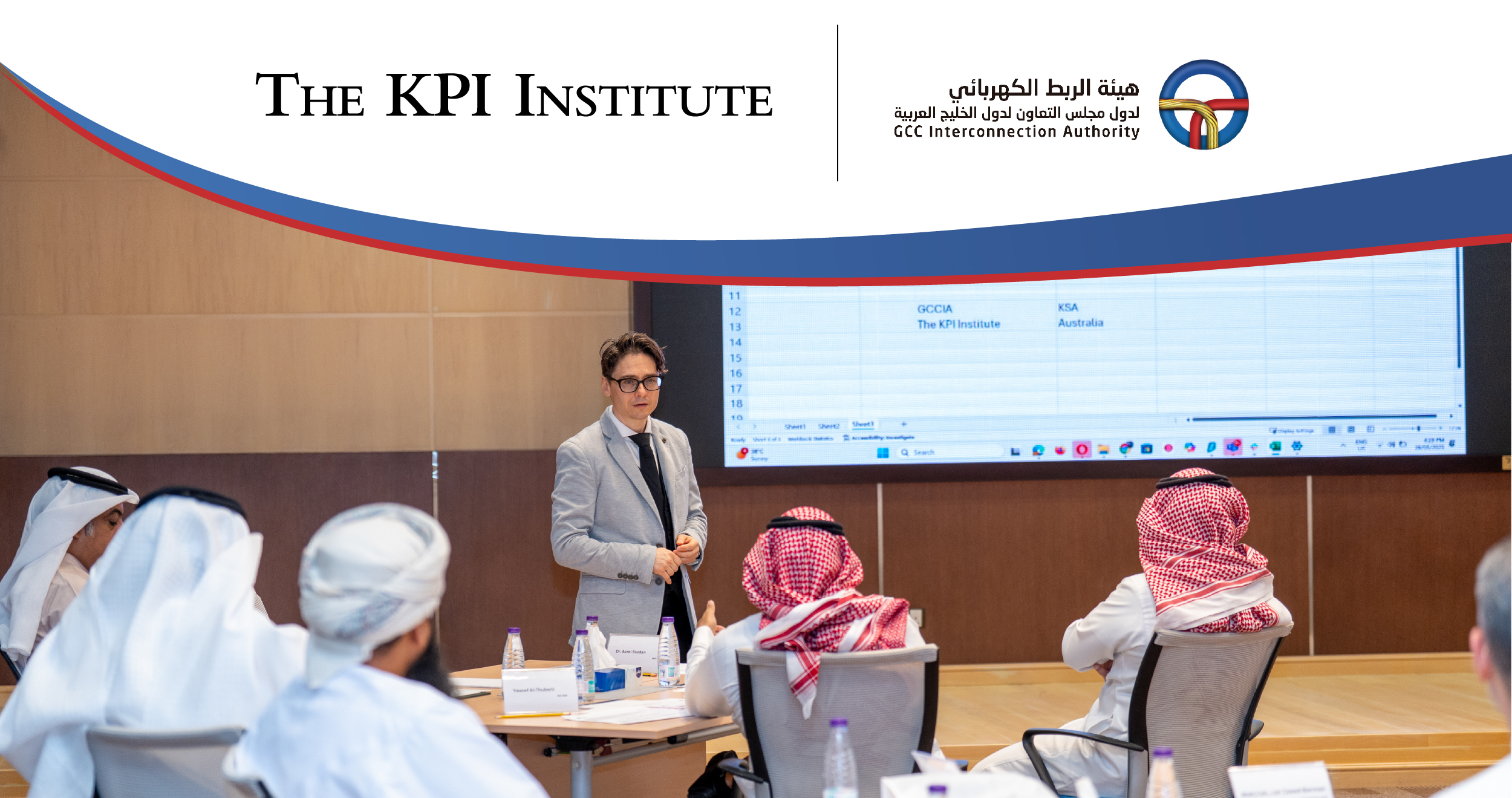
The Gulf Cooperation Council Interconnection Authority (GCCIA), in collaboration with The KPI Institute, recently hosted the first workshop in a series of events organized under the Strategy and Performance Community of Practices for the GCC utilities sector. The session focused on advancing strategic planning and performance management across the energy and water facilities in the region. 

The event brought together industry experts and professionals in strategy and performance management to explore best practices, emerging trends, and innovative approaches aimed at enhancing organizational resilience and sustainable growth within the energy and utilities sectors.

With the workshop title, “Best Practices and Emerging Trends in Strategic Planning and Performance Management,” Dr. Aurel Brudan, CEO of The KPI Institute, facilitated the workshop in the headquarters of GCCIA in Dammam, Saudi Arabia, on May 26, 2025.

The program was divided into three main parts. In the first workshop, “Best Practices in Strategy & Performance from the GCC Region,” Dr. Brudan led an engaging session centered on the evolving role of strategy and performance management practices of the utilities sector in the GCC region. Key topics included the operating model for strategy and performance, best practices—highlighting both successful and unsuccessful examples—challenges faced by strategy teams in the context of the energy sector and regulatory mandates, as well as essential performance capabilities and lessons learned. Furthermore, the discussion emphasized the growing need for utilities to align their strategies with national development goals and emerging policy directions.

The session also spotlighted trending best practices and the increasing influence of artificial intelligence (AI) in the sector. From AI-driven innovations to the identification of critical success factors, participants gained valuable insights into how technology and governance frameworks can shape a more agile, efficient, and future-ready utilities industry in the GCC. The AI Enablement Framework was also introduced. This framework supports organizations in navigating their AI journey, starting with implementation readiness and culminating in a tailored AI strategy.

Building on the momentum from the first session, the second workshop, “Best Practices in Strategy & Performance at International Level,” shifted the focus to global trends and strategic execution within the utilities industry. Dr. Brudan guided participants through key topics such as “Global Strategic Trends in the Utilities Industry”, “Key Performance Indicators (KPIs) for Global Utilities,” and “Governance and Accountability in Strategy Execution.” 

Additional themes included cross-functional alignment, strategy-related best practices, and the introduction of Functional Area Enablement Labs, an organization dedicated to improving operational efficiency across various functional areas. Participants also explored common barriers to effective KPI implementation, best practices for enhancing transparency and accountability, and the growing role of data analytics and AI in embedding resilience into core strategies.

Concluding the workshop series was the session titled “Wellbeing as Enabler of a Performance-Oriented Culture.” Dr. Brudan guided participants through an exploration of how well-being directly impacts trust, engagement, and organizational success. The key topics included are “The Cost of Neglecting Well-Being,” which can lead to burnout and high turnover, and “The ROI of Supporting Well-Being,” emphasizing that happier employees contribute to stronger performance outcomes. The importance of fostering well-being at both the personal and professional levels was also discussed, including the role of emotionally intelligent leadership in creating cultures of integrity and resilience.

The session also introduced the Institute for Life Management Science (ILMS) and Life Management Science Labs (LMSL)—organizations dedicated to applying scientific research to improve daily living and workplace performance. Through evidence-based frameworks and interdisciplinary tools, ILMS and LMSL aim to promote sustainable well-being and high performance. By leveraging the positive ripple effects of well-being-centered leadership, organizations can build more resilient, engaged, and productive teams in today’s evolving utility landscape.

Together, the three-part workshop series provided a comprehensive roadmap for utility leaders in the GCC region to navigate transformation with confidence. From strategic realignment and performance measurement to cross-functional integration and employee well-being, each session delivered actionable insights aligned with the region’s broader goals of sustainability, innovation, and economic diversification.

For organizations and individuals interested in partnering with The KPI Institute for the delivery of customized workshops, bootcamps, or training courses, please visit www.kpiinstitute.org or contact Cosmin Chindris, Director of Global Partnerships at The KPI Institute, via email: cosmin.chindris@kpiinstitute.com to explore potential collaboration opportunities.

Recent Comments

    Archives