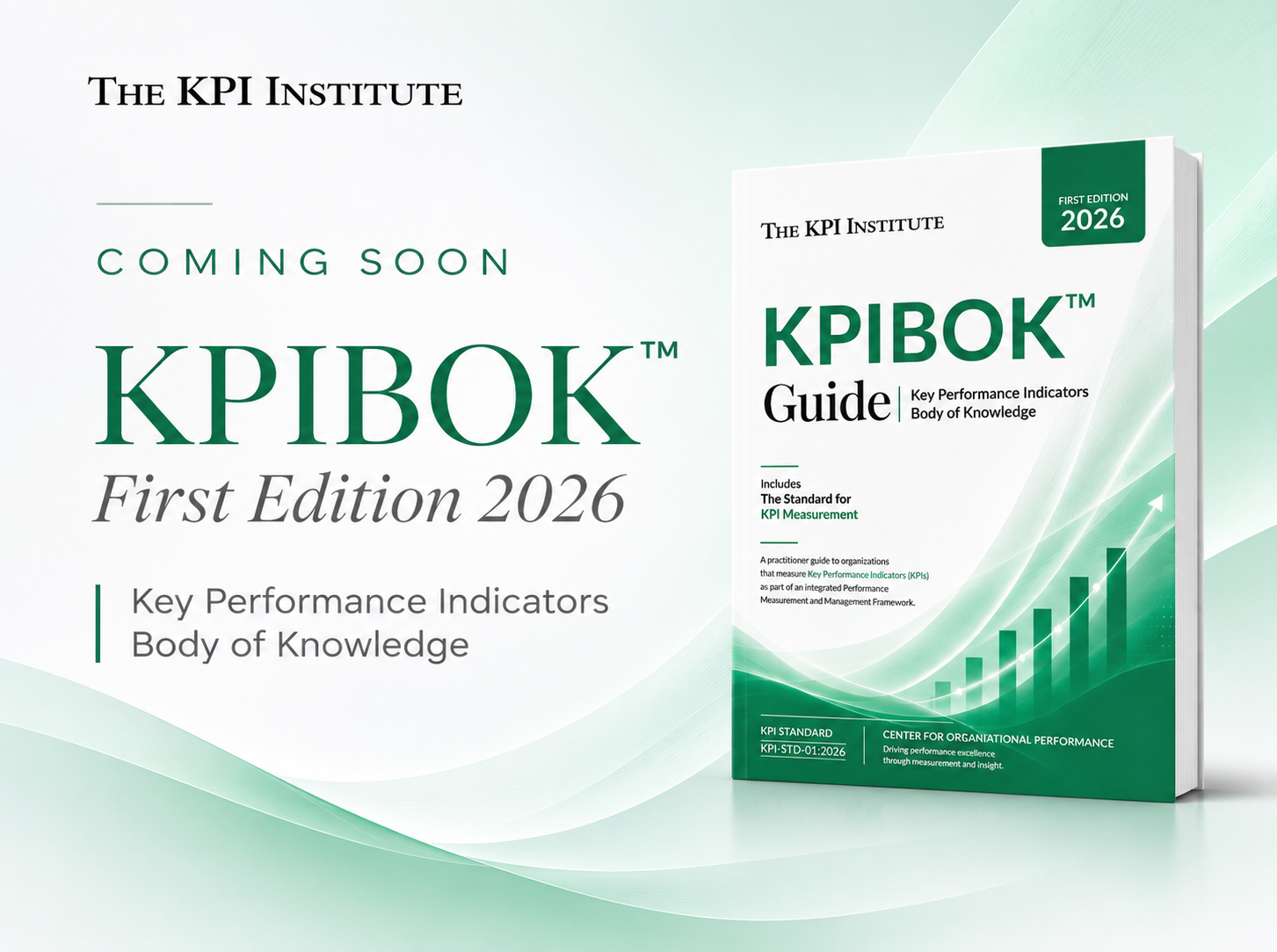


The KPI Institute releases first edition of KPI Body of Knowledge
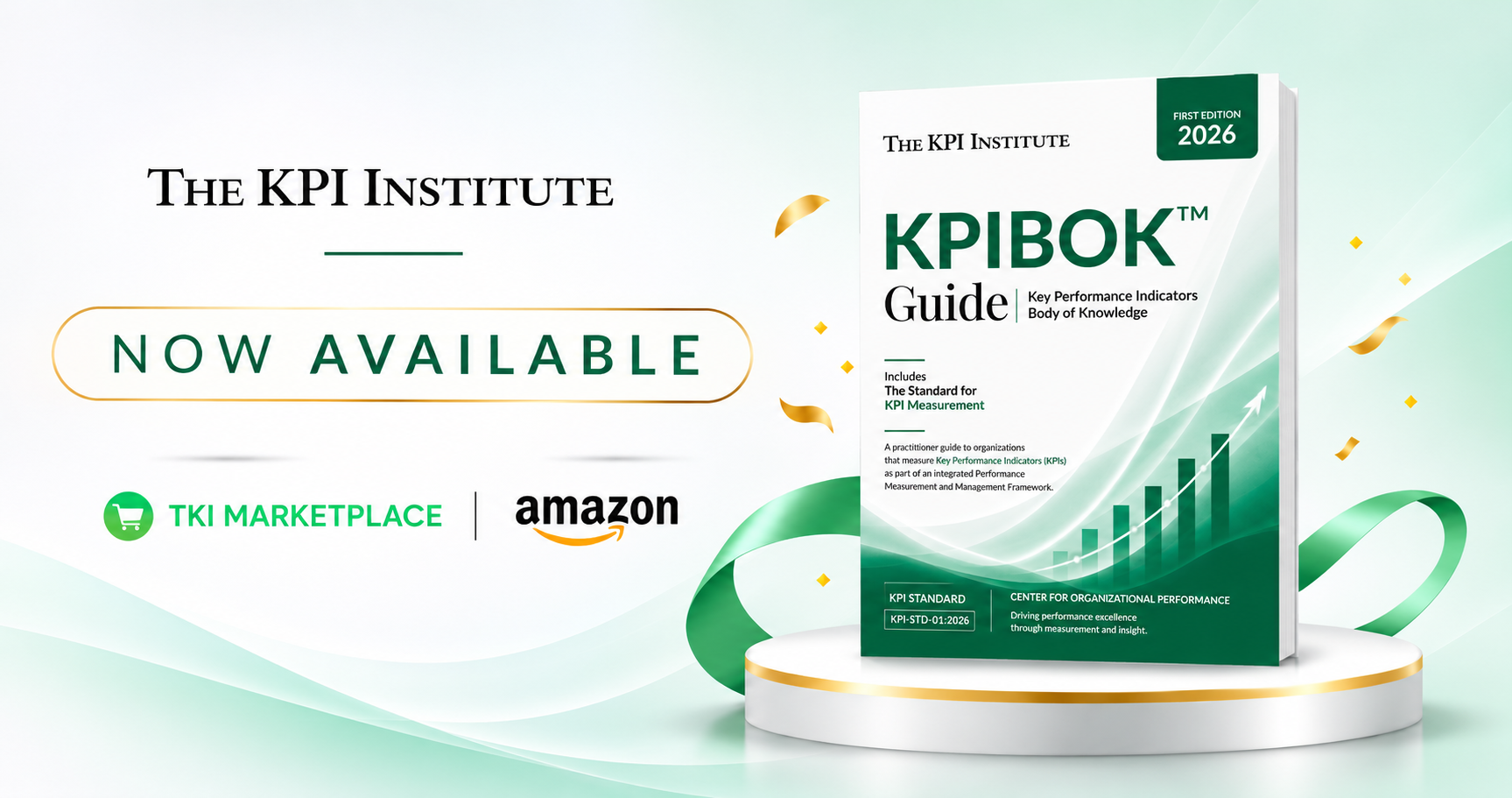
The KPI Institute has released the first edition of the Key Performance Indicators Body of Knowledge (KPIBOK), a reference publication that brings together the principles, requirements, and practical guidance underpinning disciplined KPI measurement.
Developed from more than 20 years of The KPI Institute’s research, consulting, and field experience, the KPIBOK responds to a persistent challenge in organizational performance: measurement practices can vary widely, even when organizations use similar indicators. The publication establishes a standardized framework and shared vocabulary to help organizations define, implement, evaluate, and improve their KPI systems with consistency.
The KPIBOK is structured in two complementary parts. Part I, The Standard for Performance Measurement, sets out the framework’s architecture, foundational terminology, six guiding principles, and normative requirements. Part II, A Guide to the KPI Measurement Body of Knowledge, translates this foundation into practical guidance for applying the framework.
At its core is a Performance Measurement Framework comprising twelve building blocks across KPI Measurement and KPI Management, supported by eight operational levers. Its five-phase lifecycle — Design, Deploy, Measure, Manage, and Improve — connects the activities involved in establishing KPIs with the processes that turn performance information into review, decisions, and improvement.
The Guide develops these concepts across ten chapters, covering the world of KPIs, understanding indicators, KPI typology and taxonomy, selection, alignment, documentation, target setting, data gathering, and data visualization. It also introduces practical resources such as the KPI Documentation Form, Data Gathering Template, KPI Expo, Value Flow Analysis, and KPI DNA Map. These tools and techniques support practitioners in addressing the practical requirements of building and maintaining a coherent KPI system.
The first edition also considers how performance measurement applies in the age of artificial intelligence. Its supplementary appendices address AI-enabled KPI practice, measurement in human–AI work, AI value realization, responsible-AI indicators, and human oversight. They emphasize that automation does not remove the need for reliable data, traceability, and clearly assigned human accountability.
The KPIBOK serves as the official reference framework for The KPI Institute’s Certified KPI Professional (C-KPI) and Certified KPI Practitioner (C-KPIPP) programs. It is intended for professionals and organizations seeking a structured foundation for strengthening measurement practices and connecting performance information with informed action. It gives practitioners a common reference for applying measurement principles across functions, organizational levels, and stages of KPI system maturity.